
Project Illuminate
Project Illuminate is a joint initiative of PATH Foundation Philippines, Inc. (PFPI) and a social enterprise called illumination Headquarters Ltd. (www.illuminationsolar.com). The two organizations have joined forces to introduce and evaluate a solar micro-technology innovation (the Mandarin Ultra light) that has direct application to humanitarian and development practice in the Philippines.
Philippines is the 3rd most disaster prone country in the world (behind India and China). In 2011 the country was hit 14 times by natural disasters which affected 6.5 million persons. Luzon is particularly prone to typhoons, with an average of 3.7 typhoons a year, followed by Visayas (2.1), Bicol and Samar/Leyte (1.9), Palawan (1.1) and northern Mindanao (0.6). Typhoons often cause flash floods that have swept entire villages into the sea and left large areas without electrical power for weeks on end. Most vulnerable are villages and communities located in the coastal zone. Project Illuminate targets this sector for distribution of portable solar lamps for disaster preparedness and as an alternative to kerosene home lighting.
Project EMPOWER
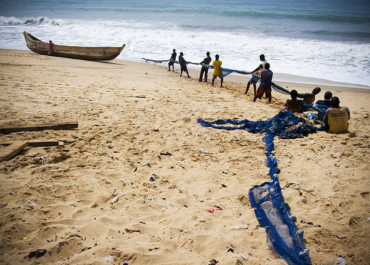
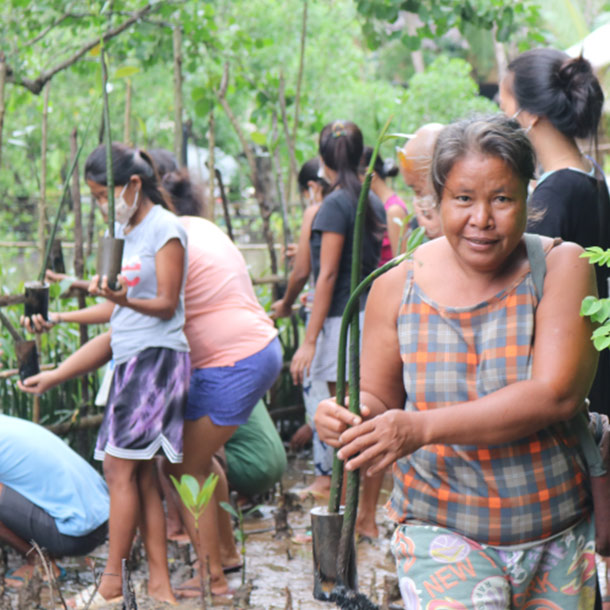
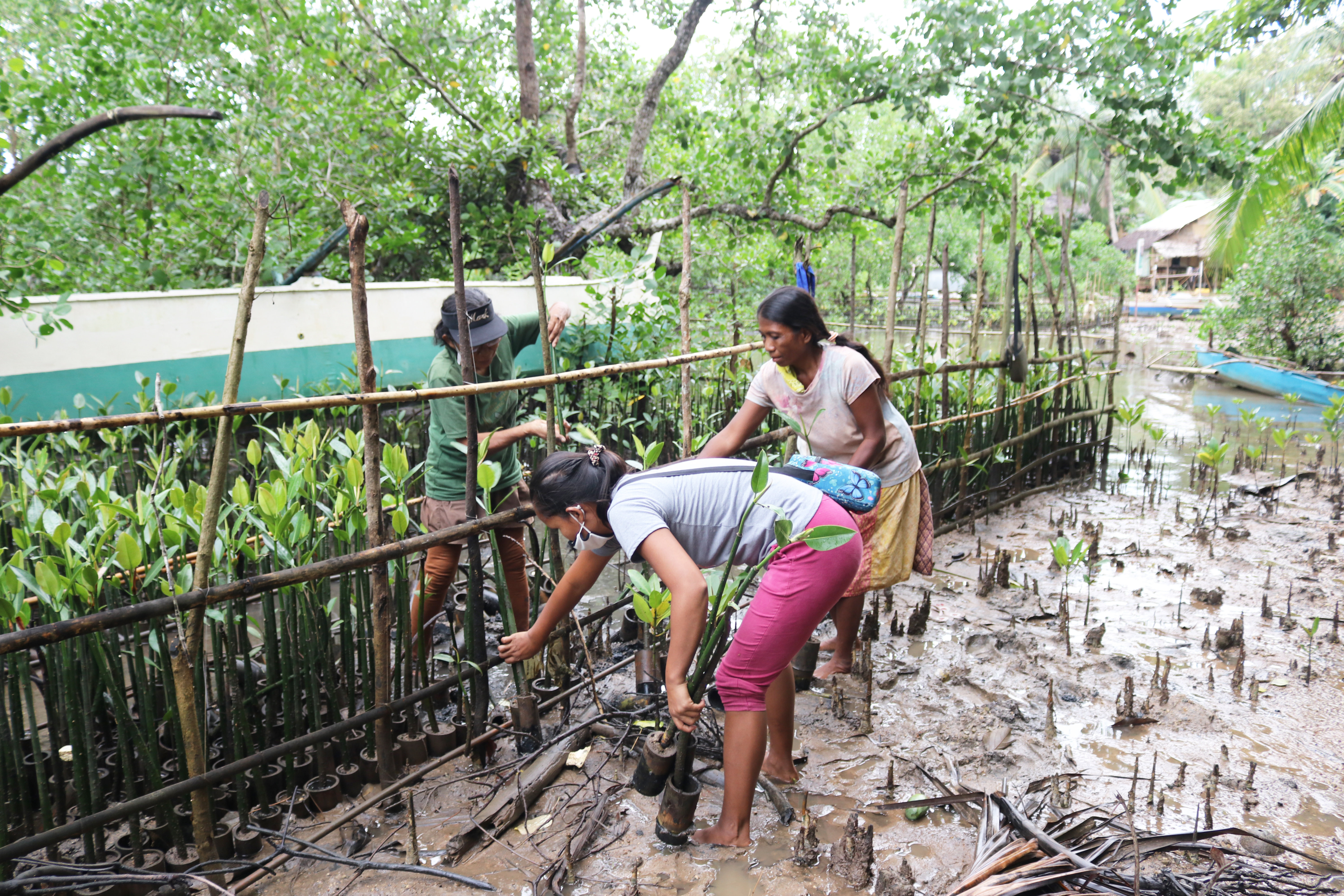
EMPOWER is a new poverty reduction initiative launched by PATH Foundation Philippines Inc. (PFPI) in partnership with the ASHMORE Foundation. The project focuses primarily on the plight of young (15-24 yr) adults in impoverished coastal communities whose livelihoods depends on fisheries resources, which are in rapid decline due to over fishing and environmental degradation. EMPOWER builds upon the lessons and best practices of the IPOPCORM Initiative whose operations research documented positive impacts on poverty reduction, human health and ecosystem resilience in rural areas where integrated population and coastal resource management strategies were implemented in conjunction with income diversification strategies for fisher folks (Environmental Conservation).
Building Actors and Leaders for Advancing Community Excellence in Development (BALANCED)
BALANCED is an exciting new five-year Population, Health and Environment (PHE) technical leadership initiative, awarded September 17, 2008 by the USAID Office of Population and Reproductive Health. The Coastal Resources Center at the University of Rhode Island leads the project in collaboration with international partners PATH Foundation Philippines Inc (PFPI) and Conservation International (CI). PHE provides a sustainable approach to protecting both human and ecosystem health. BALANCED follows on a decade of USAID investments in PHE global leadership and field-based projects to promote wider adoption and use of PHE approaches by: (1) Increasing the PHE knowledge base and making information more accessible to and user-friendly for diverse and widespread audiences (2) Building the capacity of field practioners, policymakers, decisionmakers and other PHE professionals to use state of art techniques and approaches at local, regional, national and international scales .
Building Actors and Leaders for Advancing Community Excellence in Development Project (BALANCED Philippines)
In key bioregions of the country, the threat of demographic factors on the biodiversity and productivity of marine ecosystems and the sustainability of conservation gains are highest. USAID/ BALANCED is a global project to advance and support results-oriented population, health, environment (PHE) field approaches in biodiversity-rich areas. BALANCED Philippines will promote the PHE approach to empower communities in globally significant marine bioregions - Verde Island Passage (VIP) Marine Biodiversity Corridor and the Danajon Double Barrier Reef (Visayan Bioregion)- to meet their expressed need for voluntary Family Planning (FP) services and information and educate them on the underlying linkages between reducing population pressure and improving the management and sustainability of coastal resources, and empower stakeholders to manage and conserve marine resources and biodiversity assets. The project will also create an enabling environment that promotes the integration of PHE into governmental plans and programs.
Integrated Population and Coastal Resource Management (IPOPCORM)
The Integrated Population and Coastal Resource Management (IPOPCORM) project is the largest ongoing population-environment project in the Philippines and the Indo-Pacific region. IPOPCORM was designed to improve food security from the sea by building community capacity to plan and implement coastal conservation and alternative livelihood strategies in tandem with reproductive health management. The project has been operating since 2001 and currently covers 1,090 rural sitios (hamlets) in Southern Philippines that overlap with half of the country's "extremely high" priority areas for conservation of marine biodiversity. Results of IPOPCORM's operations research activities, which are conducted in Palawan Province, indicate that the integrated approach generates higher impacts on both human health and ecosystem health compared to sectoral management strategies, and at lower cost. IPOPCORM has gained favor with local communities who claim that the synergistic approach is more suitable to the lifestyle of rural coastal families who lead integrated lives. Our partners in this effort include the Packard Foundation, USAID, UNFPA, IIE and 14 local NGOs, 156 Peoples Organizations and 33 municipal governments.
Poverty-Population-Environment (PPE) Project
The Poverty-Population-Environment (PPE) Project is designed to improve human and ecosystem wellbeing in regions of the country where interrelated poverty-population-environment (PPE) dynamics pose threats to socio-economic development and the viability of life-sustaining ecosystems. It enables local governments and private sector organizations to plan, implement and monitor cross-sectoral approaches to development that have the potential to alleviate poverty, mitigate food insecurity, improve access to family planning and enhance the sustainability of natural resources in high-growth biodiversity-rich areas of the Philippines. Using evidence from the Integrated Population and Coastal Resource Management (IPOPCORM) Initiative, the PPE Project is scaling-up the community-based and integrated approach in two globally significant ecoregions – the Danajon Bank and the Verde Island Passage – which rank among the highest priority marine conservation hotspots in the country. Our partners in this effort include the Philippine League of Municipalities, the First Philippine Conservation Inc., the David and Lucile Packard Foundation, the US Agency for International Development, the University of Rhode Island Coastal Resources Center, Conservation International, and provincial and local government units in the provinces of Cebu, Leyte, Bohol, Southern Leyte, Western Samar, Oriental Mindoro, Batangas and Occidental Mindoro.
NGO Initiatives to Prevent HIV/AIDS
Building the capacity of local governments and community groups to combat the spread of HIV/AIDS is the focus of this project, which is one component of a regional initiative funded by the Asian Development Bank to halt the spread of HIV/AIDS in Asia and the Pacific. The project works in partnership with the Overseas Filipino Workers (OFWs) Association and the tourism industry in Bohol Province. Key interventions include behavior change communications to increase HIV/AIDS knowledge and prevention practice and to encourage appropriate health seeking behaviors among tourism-sector workers, OFWs and members of their social networks. The project is also strengthening the capacity of government health personnel and community volunteers to deliver HIV/AIDS and STI information and services and to promote policies that support behavior change.
The Alternative Advocacy Project
Women living in rural communities in the Philippines have limited access to the means to space and limit the number of children they want to bear due to geographic, economic and cultural barriers. Studies conducted by PFPI in the Philippines coastal zone reveal levels of parity, unwanted pregnancy and unmet family planning need that far exceed national average rates and contribute to high maternal and infant mortality and food insecurity in rural coastal areas. Under the IPOPCORM project, PFPI encouraged and assisted local government units to incorporate reproductive health interventions into coastal resource management agendas to improve human-ecosystem health and food security in coastal Philippines. Over 1,090 hamlets in 33 municipalities were empowered to implement basic family planning (FP) and conservation activities that improved 88 marine protected areas and increased access to FP services by 13-fold in the project areas. Under the Alternative Advocacy Project (AAP), the IPOPCORM model is being introduced and replicated in other critical ecoregion including the Danajon Double Barrier Reef – a globally significant ecoregion that houses about one million people who depend on its fisheries and coastal habitats for sustenance and livelihood. The deadly combination of high population pressure, declining fish stock and degraded coastal habitats has brought grinding poverty and malnutrition to many villagers living in the Danajon. The AAP extends planning and technical support to policymakers that have jurisdiction over the Danajon. Key partners include the David and Lucile Packard Foundation and the intra-provincial management council for the Danajon, which consists of the four governors and 19 mayors from the provinces of Cebu, Leyte, Bohol and Southern Leyte (CeLeBoSoLe). With AAP’s assistance, the CeLeBoSoLe council agreed on a plan to rehabilitate, conserve, protect and manage the Danajon Bank and deliver family planning services to people in its vicinity. (click to view the press release).